
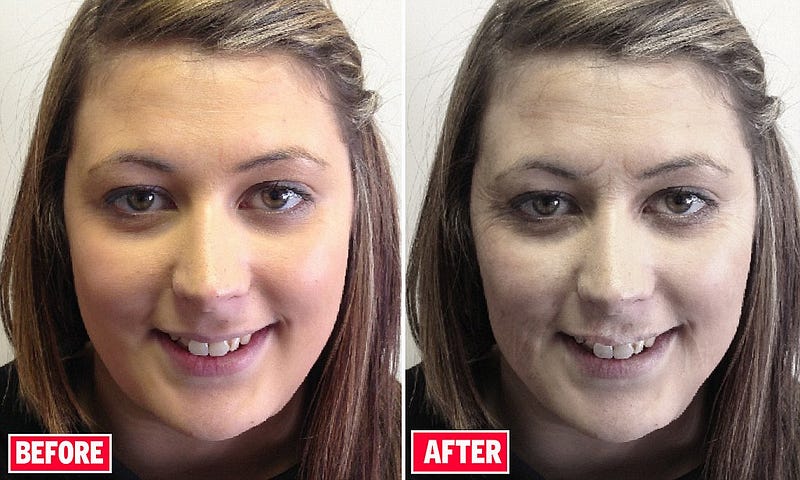
With more than 7,000 chemicals coming out each time you light a cigarette, it’s no surprise that smoking causes a lot of preventable deaths worldwide. But with 1.3 billion people actively smoking, what really happens when you quit smoking?
In the first 20 minutes after you stop:
Your blood pressure and heart rate go back to normal. Nicotine in cigarettes makes your heart beat faster and narrows your blood vessels. This also makes your hands and feet feel colder, but they’ll warm up soon.
2 hours later:
You start craving nicotine, which can make you feel moody, sleepy, tense, or have trouble sleeping. Nicotine also makes your brain release more dopamine, so feeling like this is normal when you quit.
After eight hours:
The carbon monoxide from smoking clears out, and oxygen levels in your blood go back to normal. Carbon monoxide and oxygen compete for space in your blood, and when the carbon monoxide clears, there’s more room for oxygen. Long-term smokers might have thicker blood and higher blood pressure from carbon monoxide exposure.
24 hours later:
You might cough more as your body gets rid of toxins from your lungs. Also, the risk of certain heart diseases goes down.
Within 48 hours:
Nicotine and its byproducts leave your body, and damaged nerve endings start to heal. Your taste buds, which might be flatter and less sensitive from smoking, begin to work better. But if you’ve been smoking for a long time, your taste buds might not fully recover.
At the 72-hour mark:
Nicotine withdrawal is at its peak, leading to headaches, nausea, cramps, anxiety, and depression. These are common symptoms when you quit addictive substances like nicotine or caffeine. But after this, things start to get better.
After a month:
The risk of diabetes, cancer, and heart diseases goes down. In three to nine months, hairlike structures in your lungs, called cilia, start to heal, so you might stop coughing and feeling out of breath.
After a year:
The risk of heart disease from clogged arteries goes down by about half.
After 10 years:
The chances of getting lung cancer decreased by half compared to someone who keeps smoking. After 15 years, the risk of a heart attack becomes the same as someone who never smoked.
Quitting smoking is hard, but it’s worth it. Even though there might be some damage that can’t be reversed, your body can still heal a lot when you quit. And remember, the best way to avoid these problems is to never start smoking in the first place. What’s your reason for wanting to quit?