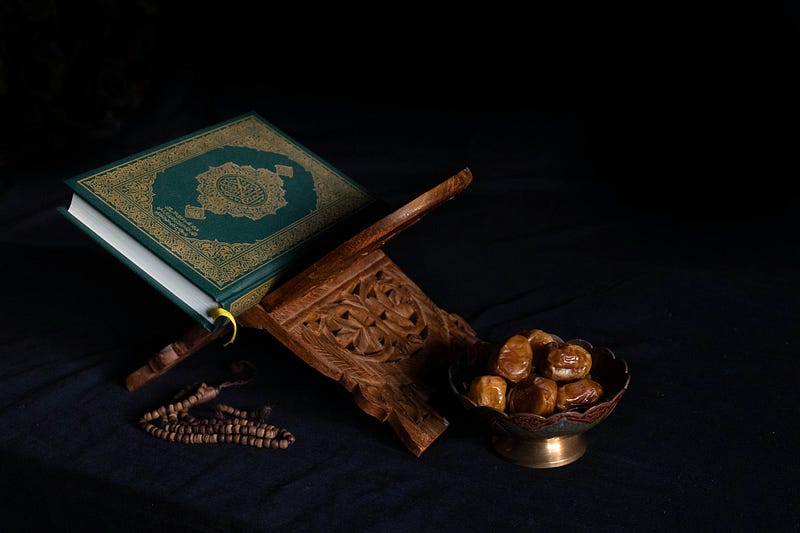
Ramadan is a cherished time of the year for Muslims, marked by a daily fast from sunrise to sunset. Allow me to take you through the timeline and rituals that fill this sacred month. During Ramadan, we abstain from both food and water as an act of devotion and self-discipline. But it’s not just about refraining from physical nourishment; it’s a time for spiritual nourishment as well. Forgiveness, kindness, and sharing blossom during Ramadan. It’s a time to strengthen our spiritual connection through prayer and our bonds with others by inviting them to breakfast with us. In this shared struggle, people from all walks of life come together, transcending barriers of wealth, status, and gender. Let’s not forget that Ramadan also serves as a poignant reminder of those less fortunate. It’s time to reach out with both material assistance and comforting words to those in need. The Night Before: The evening begins with Taraweeh, meaning rest or relaxation, a voluntary special prayer performed in mosques. This extended prayer, as advised by Prophet Muhammad (peace be upon him), holds the significance of praying throughout the night. Before Sunrise: As dawn approaches, we prepare ourselves physically and spiritually for the day ahead. Some may partake in a light meal to fortify themselves, while others may engage in reciting the Quran, a practice recommended not only during Ramadan but always. Throughout the Day: Despite the fast, life goes on as usual. We carry out our daily tasks, whether it’s work, chores, or other responsibilities. Scientifically, fasting has been shown to enhance focus and clarity of thought, making it an opportune time for important decisions. In my personal experience, I would concur with the notion that fasting can indeed enhance focus and sharpness throughout the day. However, I’ve noticed a discernible decrease in these faculties, particularly in the hour or two leading up to sunset. This period, known as the “sunset slump,” can be challenging as the body begins to anticipate the breaking of the fast. Despite this temporary dip in concentration, I find solace in the knowledge that it’s a natural part of the fasting process. During this time, I try to engage in lighter tasks or moments of reflection, allowing myself to recharge before breaking the fast. By acknowledging and accommodating this natural ebb and flow of energy, I’m better equipped to navigate the evening with grace and gratitude. Sunset: As the sun sets, anticipation fills the air. Gatherings are imbued with warmth, delicious food, and a sense of camaraderie. Before indulging, we recite a prayer expressing gratitude and humility. We’re encouraged to eat in moderation to avoid lethargy, ensuring we can continue to engage in prayer and reflection. And the cycle continues: Each day, we breakfast with the setting sun, offer prayers and continue the cycle of reflection and worship. As we enter the final 10 days of Ramadan, we intensify our spiritual efforts, including prayers during the last third of the night in anticipation of Laylat al-Qadr, the Night of Decree, mentioned in the Quran. As Ramadan draws to a close, our bodies and routines become accustomed to this rhythm of devotion. We reflect on the month’s challenges and blessings, hoping our efforts have been pleasing to our Creator. Thank you for joining me on this journey through Ramadan. I welcome your thoughts and reflections as we bid farewell to this sacred month.