
How Our Brain Reacts
Many animals need sleep. Even creatures like jellyfish have sleep-like states where they slow down and react less to their surroundings. But when animals sleep, they don’t stop being aware of threats. That’s why some birds and mammals sleep in a unique way, where parts of their brains rest while others stay active. This even happens in humans.
So, what’s asymmetrical sleep? Well, all vertebrate brains have two parts: the right and left hemispheres. Usually, both sides of the brain sleep similarly. But in asymmetrical sleep, one side can be in deep sleep while the other is more awake. Some animals take this to an extreme, where one side of the brain seems fully awake while the other is fast asleep.
Let’s take dolphins as an example. They need to keep swimming and surfacing for air, even when they’re sleeping. So, they sleep with one side of their brain at a time. This allows them to rest and stay alert at the same time.
Other animals, like fur seals and birds, also use asymmetrical sleep. Fur seals might be floating at sea for weeks, so they sleep with one eye open and one side of their brain active to watch out for danger. Birds, too, have clever ways of sleeping during long flights, keeping one side of their brain awake to navigate.
But does this kind of sleep give the same benefits as regular sleep? Scientists aren’t sure yet. Some studies show that animals might prefer regular sleep when they get the chance to recover. Dolphins, however, seem fine with their style of sleep, staying alert for days at a time by switching which side of their brain is active.
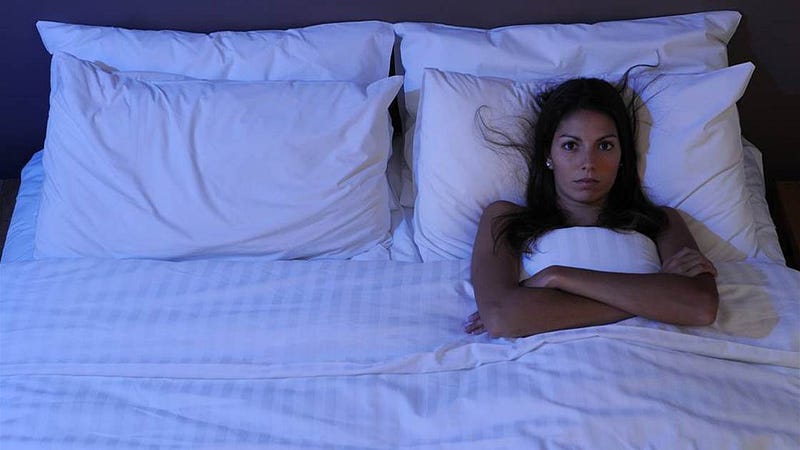
And what about humans? Ever felt groggy after the first night in a new place? Scientists have noticed this too. It turns out that during the first night in a new environment, one side of our brain sleeps deeper than the other. This might be our brain’s way of staying alert in an unfamiliar place.
So, while our hotel room might not be dangerous, our brains are still keeping watch, just in case.