
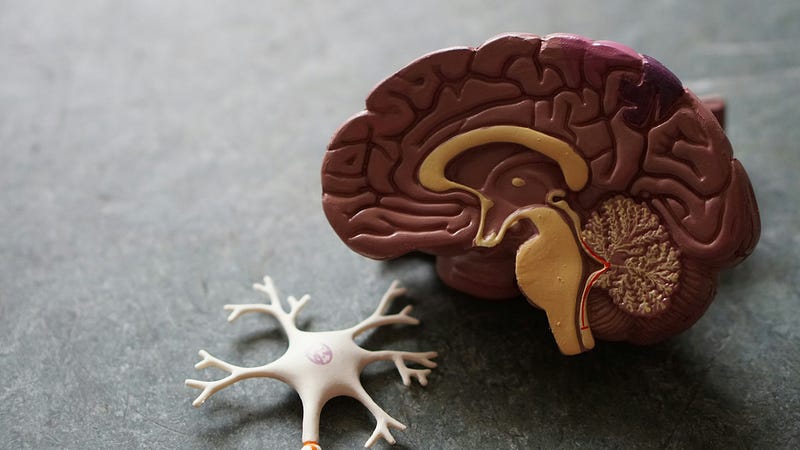
When do you stop to ask: ‘How does this habit I begin my morning with possibly impact my brain health’? It’s amazing how our day-to-day habits can have such vast implications on our brain health. Here are some habits you might be engaged in that could be doing a number on the quality of your brain health:
- Too much dark: Do you hang out constantly in dim spaces and gaze into the abyss? Exposure to natural light is crucial for regulating sleep patterns, and chronic lack of exposure has been linked to depression, which is known to impair brain function over the long term.
- Eating too much bad news: Being regularly exposed to negative news can produce unhealthy stress responses in the brain. Develop a media diet that serves up some good news with that bad.
- Noise from headphones: When we feel lonely or depressed, we often play music through our phones or other devices at a high level. For example, every time I feel depressed, I choose loud music and play it through the headset. However, this can cause great harm to our ears. If we continue to play loud music like this, our ears will become increasingly malfunctioning, and in the future, it can lead to memory loss. In summary, I suggest that we play music at an appropriate volume.
- Social isolation: Limiting your social interactions can make you feel isolated and depressed, which is bad for your brain. Other people are your friends.
- Too much screen time: If you spend too much time looking at your phone, computer screen, or television, you’re harming your brain — both grey and white matter. If you want to maintain or enhance cognitive function, take regular breaks and limit the time you spend with your face in a screen.
- Too much sugar: Although sugar might give us a short-term energy boost, a diet that is too sugary can lead to nutrient imbalances, leaving the brain malnourished. Avoid sugary foods and drinks.
- An answer on skipping breakfast: If many people call breakfast the most important meal of the day for a reason, we can assume that skipping breakfast deprives our brain of important nutrients and energy. Consequently, the later our brains feel some food.
- Sitting around: Physical inactivity promotes brain inactivity and diminishes the production of brain-nourishing hormones. Get moving: Exercise can help you stay sharp.
- Poor sleeping habits: Both insufficient and excessive sleep can affect brain function and memory. The importance of getting quality sleep and good sleep hygiene for optimal cognitive functioning.
Recognizing these damaging habits early on and changing your course of action can ensure long-term brain health, so let’s exercise and feed our brains the good fuel they need to thrive!